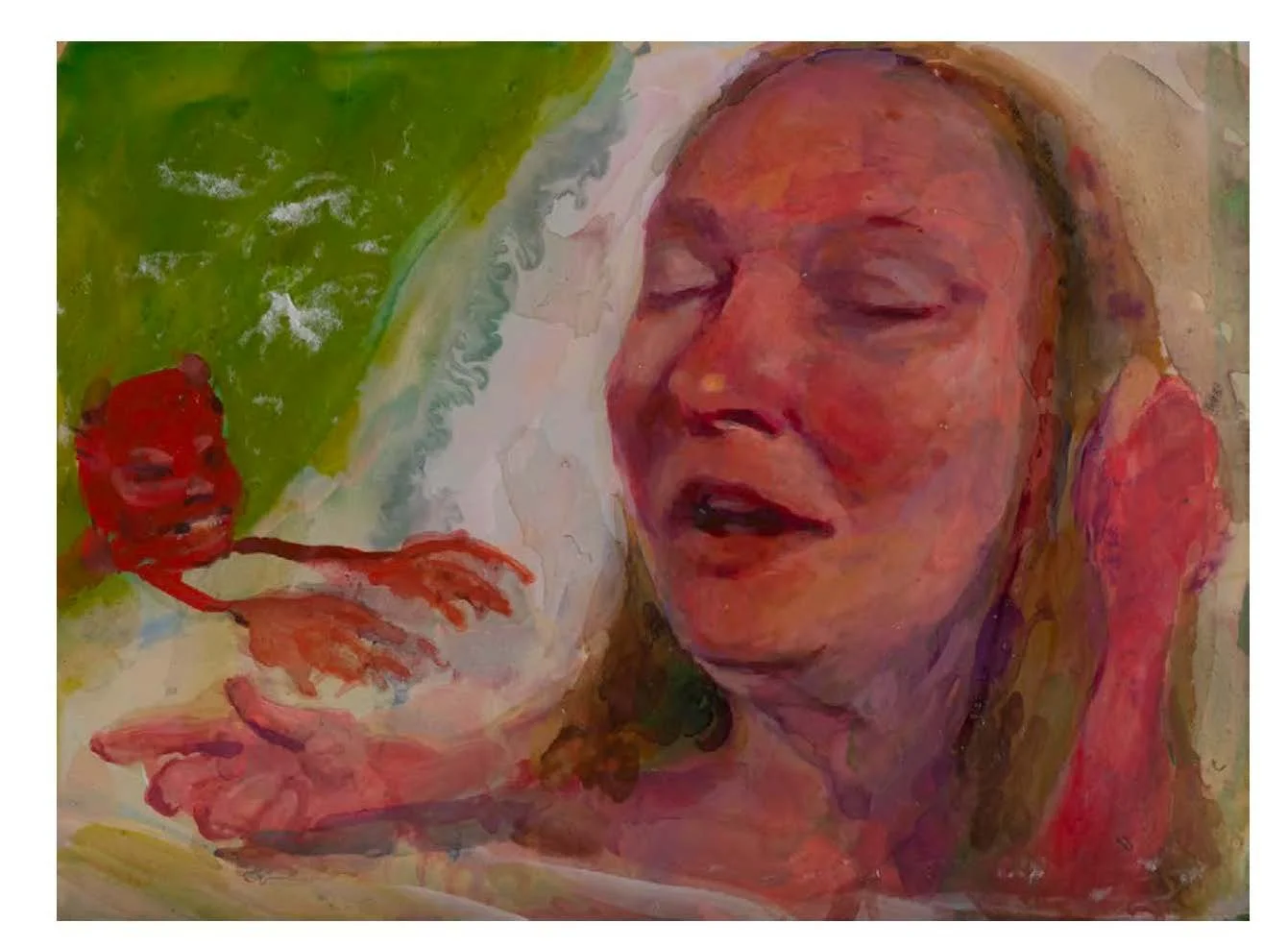
Geraldine Swayne in The Satiric Grotesque, online until 3 May 2026.
I have never found the art world more interesting when it is made to look simple. Simplicity has its uses - mostly in invoices, contracts and train timetables - but art tends to become more alive when you allow the complications back in.
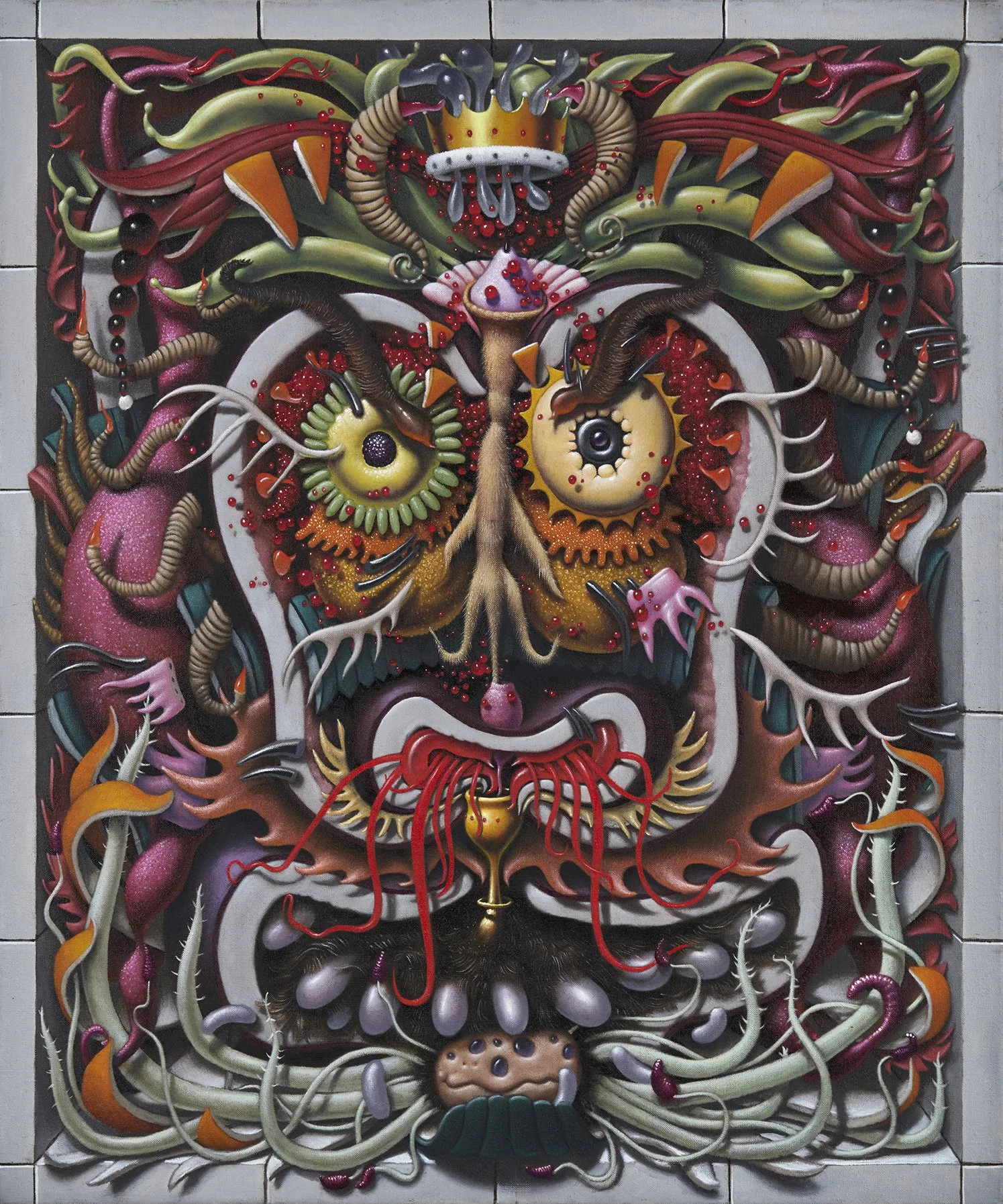
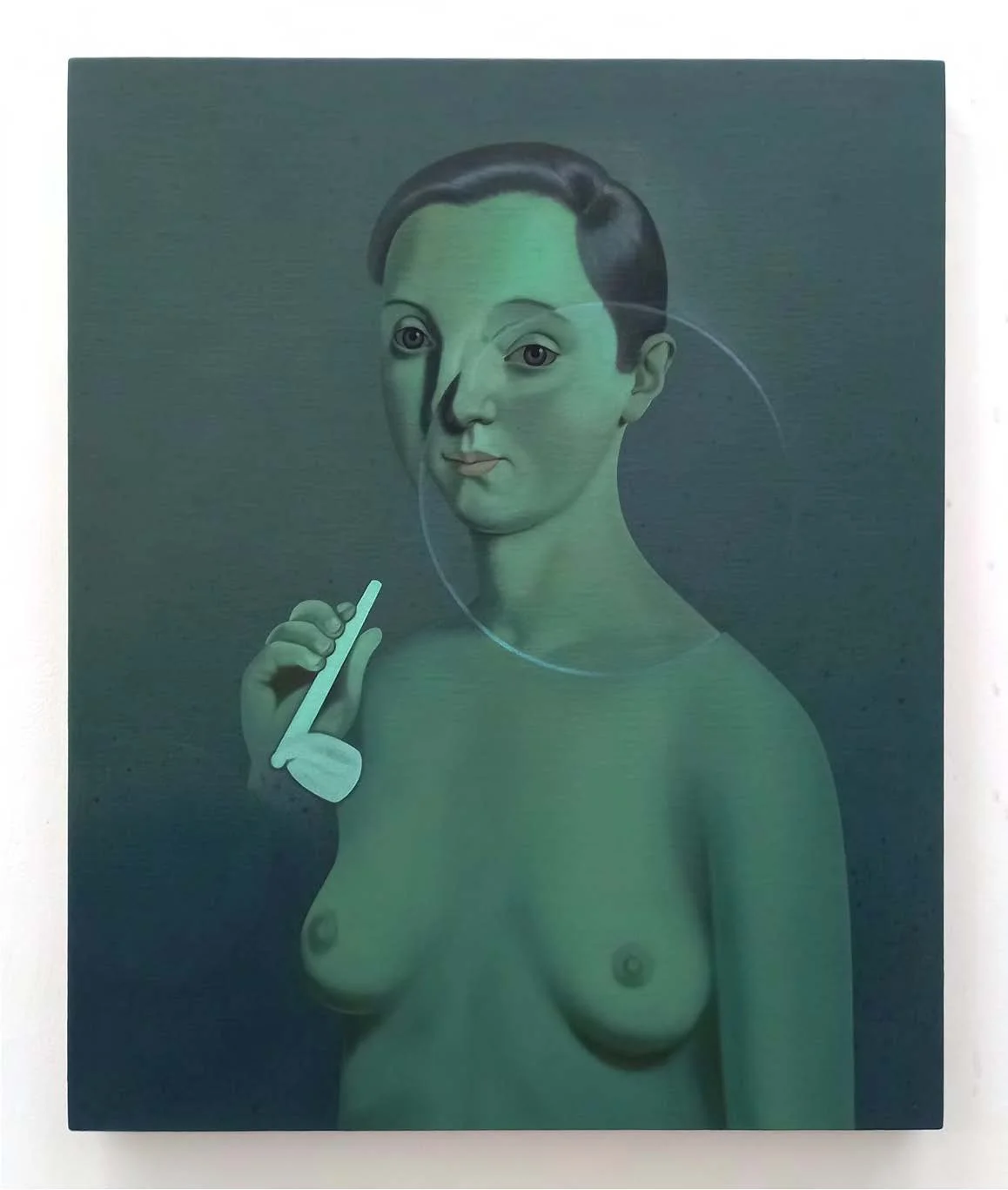
At the moment, Blackbird Rook is moving in several directions at once, although they are more connected than they might first appear. The Satiric Grotesque is still online - a group exhibition of artists using distortion, humour, bodily unease and theatrical self-invention to make the human image slip. Faces become masks. Bodies stretch, sag, perform, decorate themselves or come apart. It is funny in places, but not simply comic. The grotesque is useful because it allows things to become more truthful by becoming less well behaved.
The exhibition runs until 3 May and is worth spending time with. It includes work by Andi Magenheimer, Barry Reigate, Eric Banks, Geraldine Swayne, Jeanine Woollard, John Greenwood, Rebecca Parkin, Richard Wathen, Tom Worsfold and Zoe Spowage. It is one of those shows where the tone shifts from artist to artist, but the underlying question remains consistent: what happens when the human image no longer wants to keep its composure?
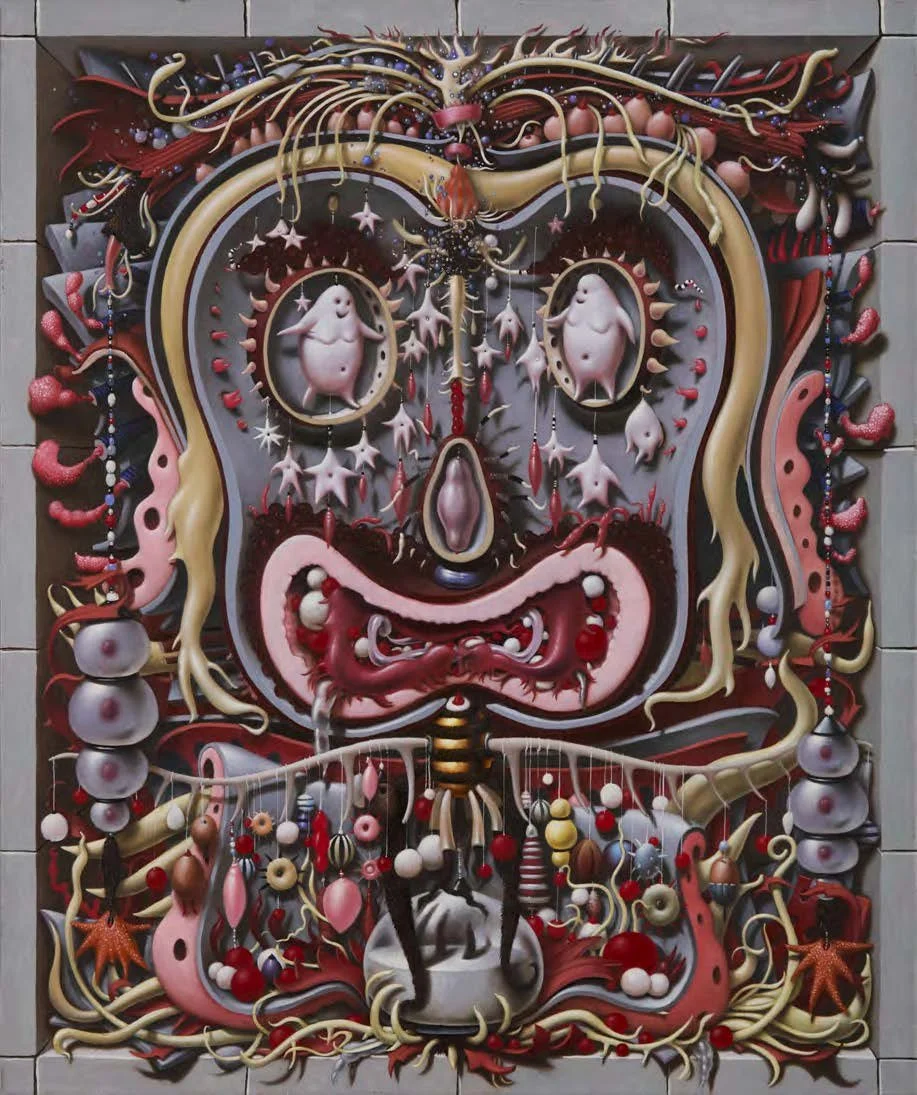
John Greenwood, An Enigma Wrapped in an Onion, 2026
Alongside that, I am preparing a new presentation of paintings by Harry Woodrow. Woodrow’s recent paintings take the jacuzzi as their subject, which sounds almost wilfully unserious until you look at them properly. The jacuzzi, in his hands, becomes a strange object of status, promise, private wellness, suburban fantasy and engineered pleasure. These are not joke paintings, although they understand the joke. They are beautifully made, oddly seductive objects about luxury trying slightly too hard to look like escape.
The paintings are part of his Here Come the Warm Jets series: radiused panels and shaped constructions that echo the moulded forms of the tubs themselves. Jets become apertures, studs or pores. Recesses imply absent bodies. Pale greys, creams, anaemic blues, mint greens and fleshy pinks start to tip the image towards something synthetic, bodily and faintly absurd. They are attractive paintings, but not merely decorative ones. That distinction is important.
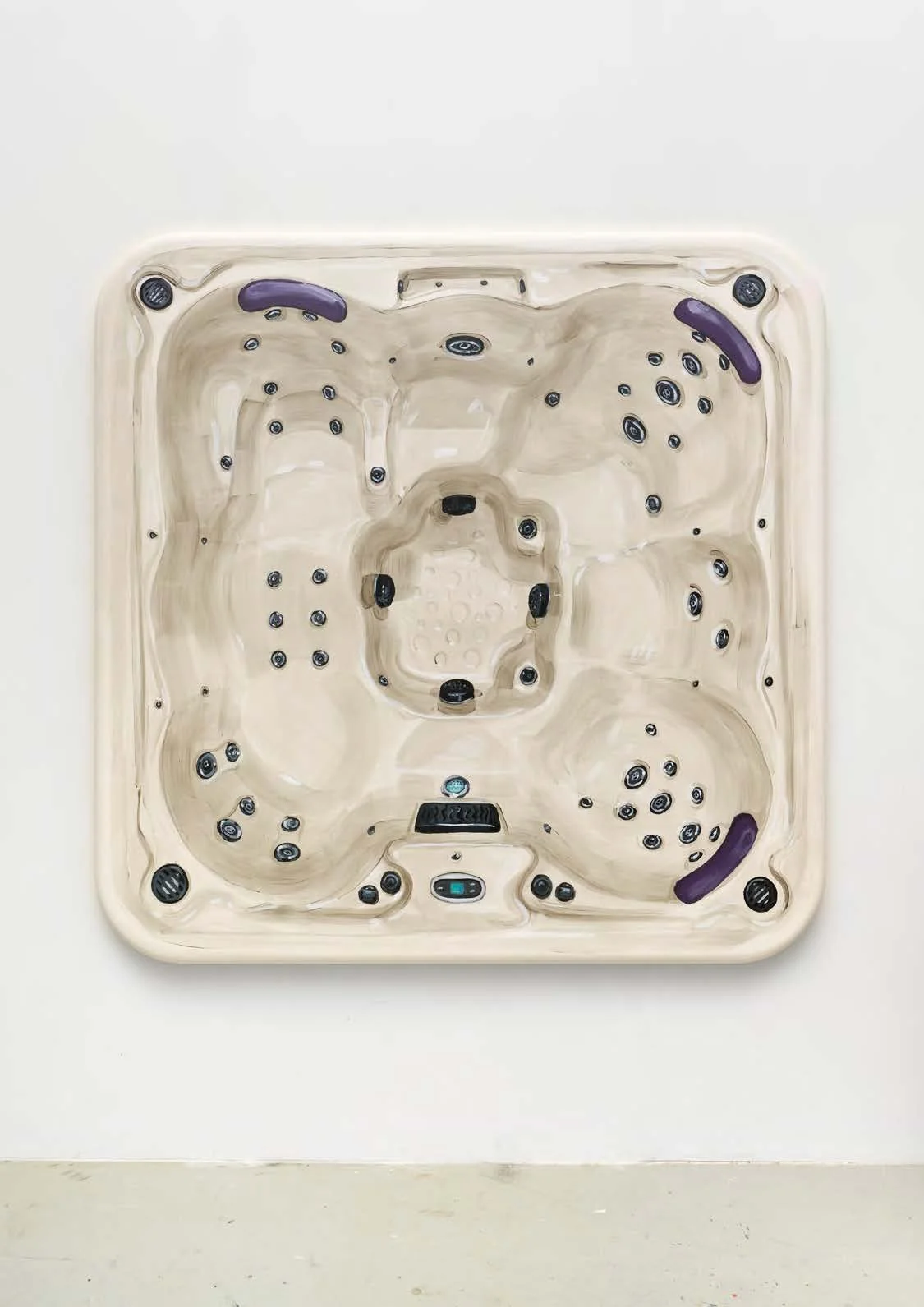
Harry Woordrow, HCTWJ09, 2024
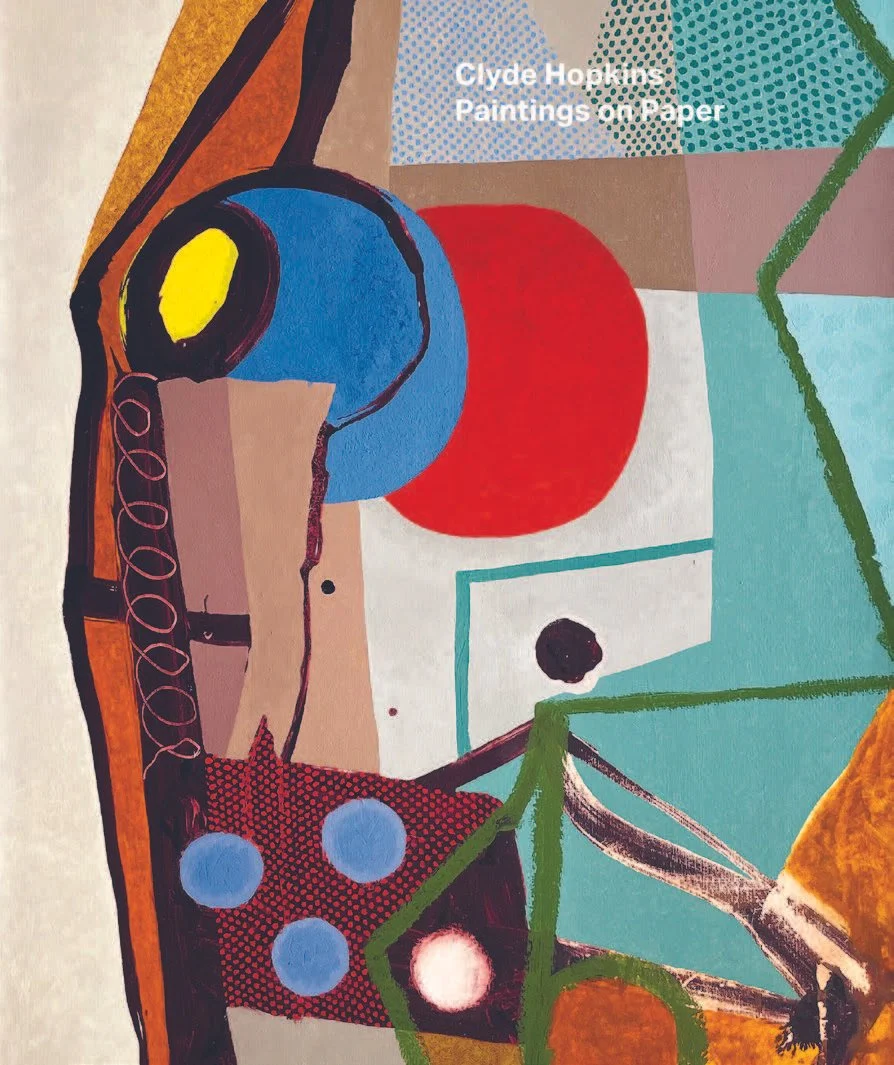
I am also looking forward to the publication of Clyde Hopkins: Works on Paper, co-published by Anomie Publishing and Blackbird Rook. The book focuses on Hopkins’ works on paper from the early 1980s to the mid-1990s, and makes the case for those works as central to his practice rather than secondary to the canvases. Hopkins was a painter of real structural and chromatic intelligence. In the works on paper, you see the thinking happening at speed: mark, colour, architecture, improvisation and revision all colliding before they settle into something resolved.
The book includes a foreword by me, a conversation between David Ryan and David Sweet, and essays by Matt Lippiatt and Joan Key. It has been edited by Chloe Green and me, designed by Joe Gilmore, and will be published in the UK on 11 June. More information on the launch will follow shortly.
Clyde Hopkins, Paintings on Paper
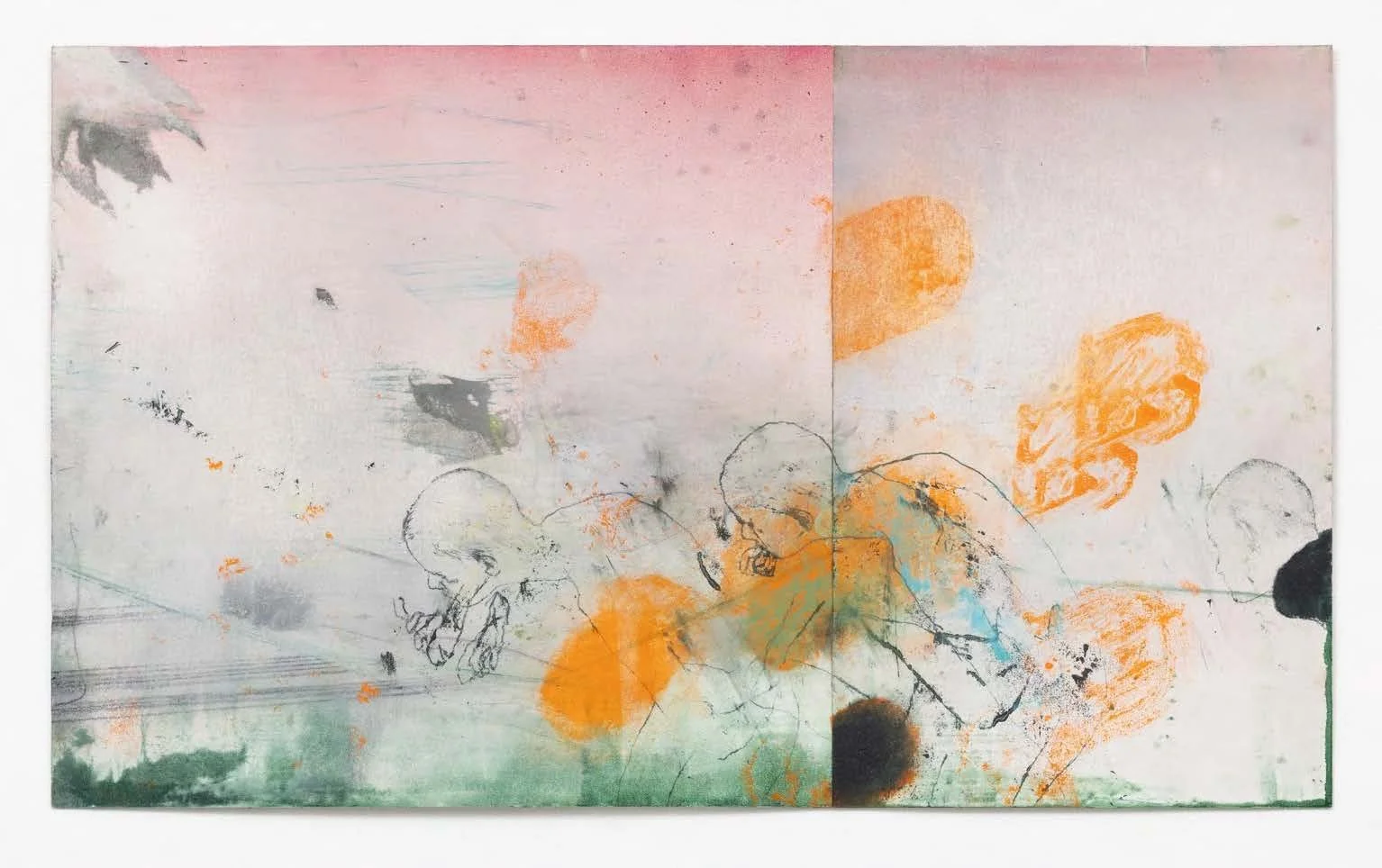
Works on paper have been on my mind more generally. I recently put together a presentation of works on paper by Justin Mortimer, which felt like looking into the engine room of a serious painter’s practice. Mortimer’s larger paintings can have cinematic scale and dread, but the works on paper are lighter, stranger and more exposed. They do not feel like studies. They feel like places where the image is still negotiating with itself.
That is often what I like about paper. It can carry risk without having to announce itself too grandly. It can be provisional, direct, unstable, beautiful and exacting at the same time. For collectors, it can also be one of the most intelligent ways into an artist’s practice - not because paper is a cheaper substitute for canvas, but because it can reveal a different kind of truth.
Justin Mortimer, Work on Paper, 2025
At the same time, I have been doing more secondary-market work again. I stepped away from that area for a while, not because it is uninteresting, but because too much of it is clogged with bad information, thin mandates, inflated claims, unnecessary chains and people who mistake proximity for expertise. The higher up the market you go, the more important it becomes to know exactly who is involved, what is actually available, who has authority to offer it, where the work is, what the paperwork says and whether everyone in the chain has a serious intention to transact.
There is room for Blackbird Rook to work in both areas: emerging and mid-career artists on the one hand, and selected modern and contemporary secondary-market acquisitions on the other. The point is not to pretend these are the same activity. They require different forms of attention. But both depend on judgement, context, care and a healthy suspicion of noise. I am now working with experienced secondary-market partners, and that has made it a pleasure to step back into that world when the fit is right.
The Substack writing has also been gathering momentum, which has been encouraging. Some pieces have travelled much further than expected, particularly the essays about the strange emotional life of the art world. That writing is not separate from the advisory work. It is part of the same attempt to look at art and the culture around it without falling into either cynicism or sales language.
So this is a catch-up, but also a small statement of intent. Blackbird Rook is continuing to work with serious emerging, mid-career and overlooked artists. It is also working, selectively, in the secondary market where the access, diligence and partners are right. Between those poles sits the real work: helping collectors see more clearly, buy more intelligently and build collections with conviction rather than noise.
If you would like to discuss collecting, sourcing, a specific artist or a more general advisory conversation, one-to-one sessions can be booked through the website. You can also follow current exhibitions, available works and shorter notes on Instagram at @blackbird_rook.
The Satiric Grotesque remains online until 3 May. Harry Woodrow will follow shortly. Clyde Hopkins: Works on Paperwill be published in June. And, as ever, if there is something particular you are looking for - or something you are trying to understand before buying - please get in touch.
Richard Wathen, Moonbather, 2018